
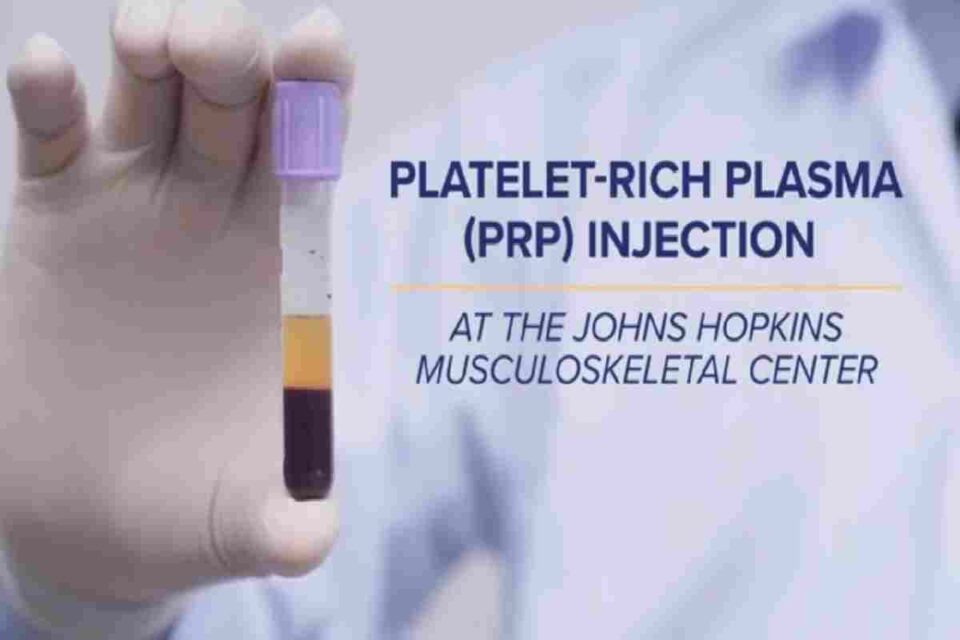
Platelet-rich plasma (PRP) therapy is a treatment that uses a concentrated portion of a person’s own blood. It has been explored in several medical fields and is also used in selected dermatological and cosmetic procedures, including treatments aimed at improving skin appearance and supporting hair growth.
PRP contains platelets that release growth factors and other signaling molecules involved in the body’s natural healing processes. In cosmetic dermatology, PRP may be used to support tissue repair and improve certain aspects of skin quality. However, results vary, and the strength of evidence differs depending on the condition being treated and the treatment method.
If you are considering PRP for skin rejuvenation, understanding how it works, what the procedure involves, and its potential limitations can help you make an informed decision.
Table of Contents
What Is Platelet-Rich Plasma (PRP)?
Platelet-rich plasma is prepared from a small sample of the patient’s own blood. The sample is processed, usually using a centrifuge, to separate its components and obtain a plasma portion with a higher concentration of platelets than ordinary blood.
Platelets play an important role in normal blood clotting and release growth factors and other signaling molecules that participate in tissue repair. PRP treatments aim to concentrate these components for use in a specific area of the body.
In dermatology and aesthetic medicine, PRP may be considered for selected skin concerns, certain hair-loss conditions, or as an adjunct to other procedures. It is not a universal solution for aging, scarring, or hair loss, and its effectiveness depends on the treatment indication and individual circumstances.
Potential Benefits of PRP for Skin Rejuvenation
PRP is used in some cosmetic settings because of its potential role in supporting tissue repair and collagen-related processes. The results are not guaranteed, and research findings vary across different applications.
1. Supporting Skin Texture and Appearance
PRP may help improve aspects of skin texture and overall appearance in some people. Practitioners sometimes use it for concerns associated with fine lines, uneven texture, and visible signs of aging.
The degree of improvement can vary, and PRP should not be expected to eliminate deep wrinkles or reverse the natural aging process.
2. Supporting Collagen Production
Collagen is a structural protein that helps maintain the skin’s firmness and elasticity. Growth factors released by platelets participate in tissue repair and signaling pathways associated with skin remodeling.
PRP is sometimes used with the aim of supporting these processes. However, the amount of collagen-related improvement a person experiences can differ, and more research is needed to establish the effectiveness of different PRP protocols for cosmetic rejuvenation.
3. Supporting Healing After Certain Procedures
PRP may be used alongside selected dermatological procedures to support the healing process. Depending on the treatment, it may be applied to the skin or administered by injection.
Its use does not guarantee faster healing or prevent all complications. The suitability of PRP depends on the procedure, the patient’s health, and the clinician’s assessment.
4. Use in Selected Hair-Loss Treatments
PRP has also been studied and used for certain forms of hair loss, including androgenetic alopecia. Some patients may experience improvements in hair density or growth, but results are variable and multiple sessions may be required.
Hair loss has many possible causes, so a medical assessment is important before choosing treatment.
How Does PRP Therapy Work?
PRP therapy uses a patient’s own blood to prepare a platelet-enriched product for a specific treatment purpose. The general process involves several steps.
Step 1: Blood Collection
A healthcare professional draws a small amount of blood from a vein, similar to a routine blood test. The quantity collected depends on the treatment protocol.
Step 2: Processing the Blood
The sample is placed in a centrifuge, which spins it at a controlled speed to separate its components. The practitioner then collects the fraction intended for the treatment.
PRP preparations can differ in platelet concentration, white blood cell content, and other characteristics, so not all PRP treatments are identical.
Step 3: Preparing the Treatment Area
The skin is cleaned carefully to reduce the risk of infection. For facial injections, a topical anesthetic may be offered to help minimize discomfort.
Step 4: Applying or Injecting PRP
Depending on the purpose of the treatment, PRP may be injected into selected areas or used in conjunction with certain skin procedures. The technique should be selected by a qualified healthcare professional based on the treatment goal.
Step 5: Recovery and Follow-Up
Temporary redness, swelling, tenderness, bruising, or pinpoint bleeding may occur after treatment. The practitioner will provide aftercare instructions and advise whether additional sessions are appropriate.
Is PRP Therapy Painful?
Discomfort depends on the area treated, the injection technique, and the individual’s sensitivity. Some people experience mild stinging or tenderness during injections, while others may notice more discomfort.
A topical anesthetic or other appropriate pain-management approach may be used for facial treatments. The clinician should explain what to expect before the procedure and discuss any concerns about pain.
Is PRP Safe?
Because PRP is prepared from the patient’s own blood, the risk of an allergic reaction to the platelet preparation itself is generally lower than with some externally sourced substances. However, using a person’s own blood does not make the procedure risk-free.
Possible complications include:
- Pain, redness, swelling, or bruising.
- Bleeding or irritation at injection sites.
- Infection if proper sterile techniques are not followed.
- Injury to nearby structures from injections.
- Unsatisfactory or limited cosmetic results.
Tell your healthcare professional about your medical conditions, medications, history of bleeding problems, and any current infection before treatment. PRP may not be suitable for everyone, and a qualified clinician should determine whether it is appropriate.
How Many PRP Sessions Are Needed?
The number of sessions depends on the reason for treatment, the preparation used, and the individual’s response. Some treatment plans involve several sessions spaced weeks apart, followed by an assessment of the results.
There is no single schedule that works for every person. Be cautious of claims promising permanent rejuvenation or guaranteed results after a fixed number of sessions. Ask your practitioner what degree of improvement is realistic and how progress will be evaluated.
PRP Compared With Other Cosmetic Treatments
PRP is one of several options used in aesthetic medicine. Different treatments work in different ways, so the right choice depends on your specific concerns.
- Dermal fillers: These are injectable products used to restore volume or change facial contours. Read our guide on whether cosmetic fillers are right for you.
- Rhinoplasty: This surgical procedure changes the structure or appearance of the nose and may also address selected breathing problems. Learn about the four most common types of rhinoplasty.
- Microneedling: This treatment uses fine needles to create controlled micro-injuries in the skin. Learn more about microneedling results and what to expect.
These treatments are not interchangeable. Fillers change volume, rhinoplasty changes nasal structure, and microneedling stimulates a skin-repair response. A qualified professional can help you understand the benefits, limitations, and risks of each option.
Who Should Consider PRP Therapy?
PRP may be worth discussing with a qualified dermatologist or appropriately trained medical professional if you are interested in a treatment that uses a preparation made from your own blood.
Before proceeding, ask the clinician:
- What specific concern is PRP expected to address?
- What evidence supports its use for that concern?
- What results are realistic, and how long might they last?
- How many sessions may be needed?
- What are the possible side effects and total costs?
- Are other treatments more appropriate for your needs?
Avoid choosing a treatment based only on promotional photographs or promises of dramatic results. Your medical history, skin condition, expectations, and the practitioner’s experience all matter.
Final Thoughts
Platelet-rich plasma therapy uses a concentrated portion of a person’s own blood and is used in selected dermatological and cosmetic treatments. It may support certain tissue-repair processes and may improve aspects of skin appearance or hair growth in some patients, but results vary and evidence differs by application.
PRP is not a guaranteed way to remove wrinkles, restore youthful skin, or treat every form of hair loss. Before booking a session, consult a qualified healthcare professional, understand the potential risks, and discuss whether the treatment is suitable for your individual needs.