
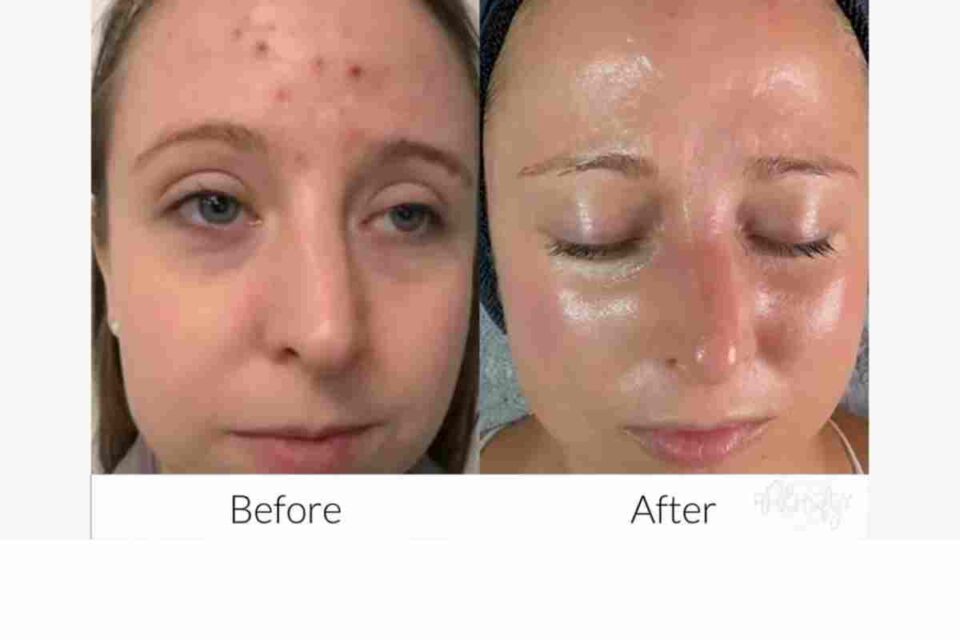
Microneedling has become a popular skincare treatment for people looking to improve the appearance of fine lines, acne scars, uneven skin texture, and certain types of stretch marks. It works by creating tiny, controlled punctures in the skin to stimulate the body’s natural healing response.
But what exactly is microneedling, how does it work, and what results can you realistically expect? Understanding the procedure, its benefits, and its potential risks can help you decide whether it is suitable for your skin.
Table of Contents
What Is Microneedling?
Microneedling is a minimally invasive cosmetic procedure that uses a specialized device fitted with fine, sterile needles. The needles create controlled micro-injuries in the skin, triggering a wound-healing response that can encourage collagen and elastin production.
Collagen and elastin are important proteins that help maintain the skin’s structure, firmness, and elasticity. As the skin heals, its texture and overall appearance may gradually improve.
Microneedling may be used to help improve the appearance of:
- Fine lines and wrinkles.
- Acne scars and certain other scars.
- Uneven skin texture.
- Enlarged-looking pores.
- Some types of stretch marks.
- Mild skin irregularities associated with aging.
Results vary depending on the skin concern, the treatment method, the depth of the needles, and the individual’s healing response. Microneedling does not remove every scar or wrinkle, and multiple sessions may be needed.
How Does Microneedling Work?
Professional microneedling devices are often pen-shaped and use a motor to move a cartridge of sterile needles rapidly in and out of the skin. A trained practitioner adjusts the treatment according to the area being treated and the patient’s skin concerns.
The procedure generally involves the following steps:
- Skin preparation: The skin is cleansed, and a topical numbing cream may be used to reduce discomfort.
- Needling: The practitioner moves the device across the selected area to create controlled micro-injuries.
- Healing response: The skin begins its natural repair process, which can stimulate collagen remodeling over time.
- Recovery: Temporary redness, sensitivity, swelling, or mild pinpoint bleeding may occur, depending on the treatment depth.
- Gradual improvement: Changes in texture and scarring may become more noticeable over several weeks or months.
Microneedling differs from a derma roller, which uses a rolling head covered with needles. Professional pen devices allow the practitioner to adjust needle depth and treatment settings. Neither device should be used carelessly, as improper technique can cause skin damage or infection.
What Results Can You Expect From Microneedling?
Microneedling results develop gradually rather than appearing instantly. Some people notice smoother-looking skin after the initial healing period, but improvements in collagen-related concerns can take several weeks or months.
1. Smoother Skin Texture
Microneedling may improve uneven skin texture by stimulating the skin’s repair process. Over time, some rough or irregular areas may become smoother.
The extent of improvement depends on the underlying cause of the texture concern and the treatment plan.
2. Improvement in Fine Lines and Wrinkles
Collagen remodeling may help soften the appearance of some fine lines and mild wrinkles. However, microneedling does not stop the aging process or eliminate deeper wrinkles.
People with more significant wrinkles may need to discuss other options with a qualified skincare professional or dermatologist.
3. Reduced Appearance of Acne Scars
Microneedling is commonly used to improve certain types of atrophic acne scars, which create depressions in the skin. Several sessions may be needed to achieve noticeable improvement.
It is not appropriate for every type of acne scar, and active acne, skin infections, or some inflammatory skin conditions may require treatment before microneedling is considered.
4. Improvement in Stretch Marks
Stretch marks develop when the skin stretches or changes rapidly, affecting the structure of its supporting tissue. Microneedling may help improve their texture and appearance by encouraging collagen remodeling.
However, stretch marks may not disappear completely. The response varies according to their age, depth, location, and the individual’s skin characteristics.
Be cautious of clinics promising permanent or guaranteed results. A series of treatments may improve the appearance of stretch marks, but outcomes cannot be guaranteed.
Is Microneedling Safe?
Microneedling can be performed safely in appropriate circumstances by a trained, qualified professional using sterile equipment and suitable technique. However, it is not completely risk-free.
Possible side effects include:
- Redness and swelling.
- Temporary skin sensitivity or irritation.
- Bruising or pinpoint bleeding.
- Infection if equipment or aftercare practices are inadequate.
- Changes in skin pigmentation.
- Scarring or worsening of certain skin conditions in uncommon cases.
People with active skin infections, uncontrolled inflammatory acne, a tendency to develop keloid scars, or certain medical conditions may not be suitable candidates. A professional assessment is important, especially for people with darker skin tones who may be more susceptible to post-inflammatory pigmentation after skin injury.
Do not assume that every microneedling device or home-use product has been approved by the US Food and Drug Administration (FDA). Regulatory status depends on the specific device and its intended use. Professional microneedling devices should not be used at home without appropriate training.
Can You Do Microneedling at Home?
Although home-use microneedling products are widely advertised online, deeper needling can cause injuries, infections, pigmentation changes, and scarring when performed incorrectly.
Professional treatment allows a qualified practitioner to assess your skin, select suitable settings, maintain sterile conditions, and recognize potential complications.
If you are considering microneedling, ask about the practitioner’s qualifications, the device being used, hygiene procedures, expected recovery time, and the number of sessions that may be appropriate for your skin concerns.
How Many Microneedling Sessions Do You Need?
The number of sessions depends on the concern being treated and the depth of the procedure. Some people may benefit from a series of treatments spaced several weeks apart. Deeper acne scars or stretch marks may require a longer treatment plan.
There is no universal recommendation that everyone needs eight sessions or weekly treatments. Treatment frequency should be determined by a qualified professional, allowing enough time for the skin to recover between sessions.
The goal is gradual improvement, not repeated skin injury before healing is complete.
Microneedling Aftercare: How to Protect Your Skin
After microneedling, the skin may be more sensitive than usual. Following the practitioner’s aftercare instructions can help support healing and reduce the risk of complications.
Common recommendations include:
- Use gentle skincare products recommended by your practitioner.
- Avoid harsh exfoliants and irritating active ingredients until the skin has recovered.
- Protect the skin from direct sunlight and follow advice about sunscreen use.
- Avoid picking, scratching, or rubbing the treated area.
- Follow instructions about makeup, exercise, and other activities after treatment.
- Contact a healthcare professional if you develop worsening pain, spreading redness, pus, fever, or other signs of infection.
Do not apply unapproved products or strong active ingredients to freshly treated skin, as this may cause irritation or other adverse effects.
Other Cosmetic Treatments to Explore
Microneedling is one of several options used to address skin texture and appearance. Depending on your goals, you may also want to learn about other treatments:
- Platelet-rich plasma (PRP) treatment — learn about the use of a concentrated preparation of platelets in selected medical and cosmetic procedures.
- Facial massage in Bangkok — explore facial massage and its role in a skincare and relaxation routine.
- Are cosmetic fillers right for me? — understand how injectable fillers differ from treatments that stimulate skin repair.
These treatments work in different ways and are not interchangeable. The most suitable option depends on your skin concerns, medical history, expectations, and professional advice.
Final Thoughts
Microneedling is a cosmetic treatment that stimulates the skin’s natural healing response and may improve the appearance of fine lines, selected acne scars, uneven texture, and some stretch marks. Results develop gradually, and multiple sessions may be needed.
Although the procedure can be beneficial for suitable candidates, it is not risk-free and does not guarantee permanent or complete correction. Choose a qualified practitioner, understand the possible side effects, and follow appropriate aftercare instructions before deciding whether microneedling is right for you.