
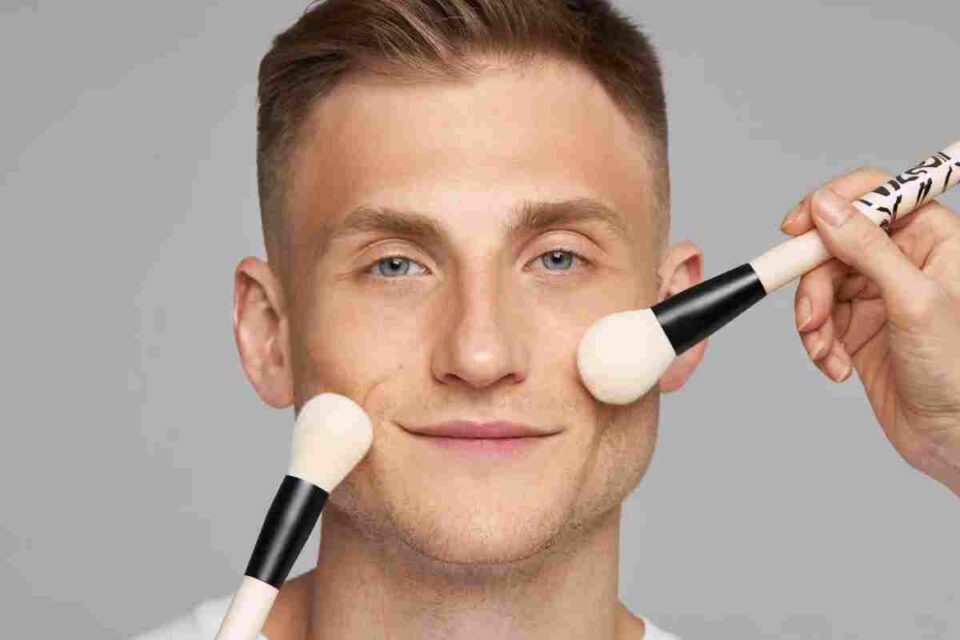
Makeup is for anyone who wants to enhance their appearance, regardless of gender. Although makeup has traditionally been marketed toward women, more men are exploring cosmetics to even out their skin tone, conceal dark circles, reduce the appearance of blemishes, and achieve a fresh, well-groomed look.
Men’s makeup does not have to involve dramatic changes. A few simple products, such as concealer, lightweight foundation, bronzing powder, and lip balm, can help create a natural finish. The key is choosing products that suit your skin type and applying them in a way that feels comfortable.
Whether you are preparing for a wedding, a professional event, a photoshoot, or everyday activities, these six makeup tips can help you get started.
Table of Contents
Is Makeup for Men Different?
Men’s makeup can follow many of the same principles as makeup for women, but the preferred techniques and finishes may differ according to individual style. Some people want a barely noticeable look, while others prefer more defined features or fuller coverage.
A natural makeup routine often focuses on skincare, concealing imperfections, and creating an even complexion. Cleansers, moisturizers, sunscreen, and shaving products can help prepare the skin before makeup is applied.
Makeup is also widely used by actors, television presenters, models, and other performers to create an even appearance under studio lighting. However, anyone can use it for everyday grooming or special occasions.
1. Cleanse Your Face and Apply Moisturizer
Clean skin provides a good starting point for makeup. Use a gentle facial cleanser to remove excess oil, sweat, and dirt. Follow it with a moisturizer suited to your skin type.
If you shave regularly, choose gentle products that do not aggravate irritation. Shaving can leave the skin sensitive, so avoid applying strong exfoliants or fragranced products immediately afterward if they cause discomfort.
During the day, apply broad-spectrum sunscreen with SPF 30 or higher before makeup. Allow your skincare products to settle before moving to the next step.
A simple routine of cleansing, moisturizing, and sun protection can help your skin look and feel comfortable throughout the day.
2. Use Concealer for Dark Circles and Blemishes
Concealer can help reduce the appearance of dark circles, redness, and individual blemishes without requiring a full face of makeup.
Choose a concealer that closely matches your skin tone. For under-eye darkness, a slightly peach-toned corrector may help neutralize blue or purple discoloration before concealer is applied, depending on your complexion.
To apply it:
- Use a small amount of product.
- Gently tap it onto the area with a clean fingertip, sponge, or brush.
- Blend the edges so the product merges naturally with your skin.
- Add a little more only where additional coverage is needed.
Avoid rubbing the delicate skin around your eyes. For blemishes, use clean tools and avoid sharing makeup products to reduce the risk of irritation or infection.
3. Choose a Natural-Looking Foundation
Foundation helps even out the appearance of your complexion. It is available in liquid, cream, stick, and powder formulas, so you can choose a texture that suits your skin type and desired coverage.
For a natural finish, select a shade that matches your skin tone as closely as possible. Test it along your jawline in natural light rather than relying only on the colour shown on the packaging.
Apply a thin layer to areas where you want more even coverage, such as the forehead, nose, cheeks, and chin. Blend carefully around the hairline, jaw, and beard area to avoid visible lines.
If you only want to reduce minor discoloration, you may find that concealer or a tinted moisturizer provides enough coverage without needing foundation across your entire face.
4. Apply Bronzing Powder Sparingly
Bronzing powder can add warmth and subtle definition to your complexion. It is optional, but it can be useful when you want a more sun-kissed appearance without spending time in the sun.
Choose a bronzer that complements your natural skin tone. Using a large, soft brush, apply a small amount to areas where sunlight naturally falls, such as the upper forehead, cheekbones, and bridge of the nose.
Blend well to avoid harsh lines or uneven patches. Start with a light application and build gradually if needed.
Bronzer is not a substitute for sunscreen, and deliberately tanning your skin can increase the risk of sun damage.
5. Use Lip Balm to Keep Your Lips Comfortable
Lip balm is a simple addition to any grooming routine. It helps reduce dryness and protects the lips from becoming rough or chapped.
Choose a clear or neutral-tinted balm if you prefer a natural appearance. If you want a little colour, a subtle tint can make the lips look more even without appearing heavily made up.
For everyday use, consider a lip balm with SPF when spending time outdoors. Reapply as needed, particularly after eating, drinking, or wiping your lips.
If you prefer more noticeable colour or longer-lasting coverage for an event, explore our guide to long-lasting lipsticks for ideas on choosing lip products that suit your needs.
6. Remove Makeup Before Going to Bed
Removing makeup at the end of the day is an important part of skincare. Leaving makeup on overnight may contribute to clogged pores or irritation, especially if you are prone to acne or have sensitive skin.
Follow these steps:
- Use a suitable makeup remover or micellar water to dissolve makeup.
- Wash your face with a gentle cleanser.
- Avoid scrubbing or using excessively hot water.
- Apply moisturizer to help maintain your skin’s moisture barrier.
If you have facial hair, gently clean the skin around your beard and moustache as well. Wash makeup brushes and reusable sponges regularly, and do not share them with others.
A Brief History of Makeup for Men
Makeup has a long history across different cultures. In ancient Egypt, men and women used eye cosmetics, including dark pigments, for aesthetic and cultural purposes. In some European societies during the 18th century, men of certain social classes wore face powders, rouge, and other cosmetics.
Practices varied by period, region, social class, and cultural tradition. Makeup has continued to evolve, appearing in theatrical performances, film, fashion, and everyday personal grooming.
For a deeper look at how cosmetic practices developed over time, read our article on the history of makeup and the origin of makeup.
Today, social media has also made it easier for people to learn makeup techniques and discover products. Beauty brands and creators use tutorials, demonstrations, and short videos to show how products work. If you are interested in the content-creation side of the beauty industry, explore our guide on how to create stunning beauty product videos for social media.
Conclusion
Makeup for men can be as simple or detailed as you want. A gentle skincare routine, concealer, lightweight foundation, bronzer, and lip balm can help create a natural, well-groomed appearance without requiring many products.
Start with the basics, choose shades that suit your complexion, and blend products carefully. Most importantly, makeup is a personal choice, and there is no single correct way to use it. The best routine is one that makes you feel comfortable and confident.