
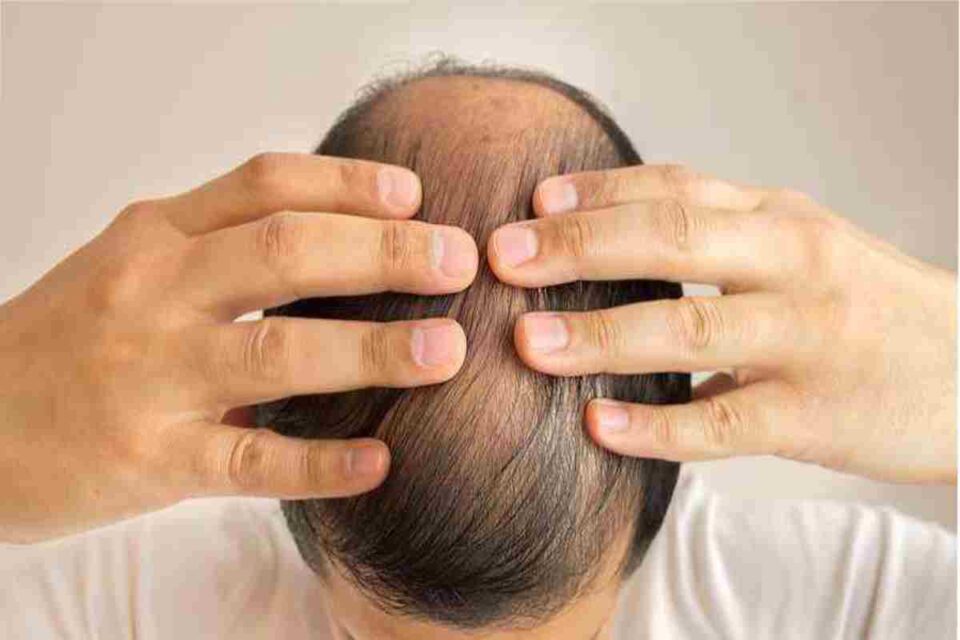
Hair problems can be frustrating, especially when your hair becomes dry, brittle, dull, or starts shedding more than usual. Chemical treatments, frequent heat styling, genetics, stress, and certain health conditions can all affect your hair. However, your diet and nutrition also play an important role in maintaining healthy hair.
Hair growth depends on several nutrients, including protein, iron, and zinc. When your diet does not provide enough of these nutrients, or your body has difficulty absorbing them, hair growth may be affected. At the same time, not every hair problem is caused by poor nutrition. Hereditary hair loss, hormonal changes, scalp conditions, and some medications can also contribute to thinning.
Understanding the common causes of hair loss in men and women can help you identify possible reasons for changes in your hair and determine when professional advice may be necessary.
Let’s explore six dietary factors that may affect hair health and the practical steps you can take to support stronger-looking hair.
Table of Contents
1. You’re Not Getting Enough Protein
Hair is primarily made of a protein called keratin. Your body needs sufficient protein from your diet to support normal hair growth and maintain healthy tissues. Not getting enough protein over time may contribute to hair shedding and changes in hair quality.
Good sources of protein include eggs, fish, poultry, dairy products, beans, lentils, nuts, seeds, and soy foods. You do not need to eat meat to get enough protein; a balanced vegetarian diet can provide it too.
What you can do: Include protein-rich foods in your daily meals. If you follow a vegetarian or vegan diet, combine different sources such as lentils, beans, tofu, and nuts throughout the day.
Hair loss is not always caused by protein deficiency, so changing your diet alone may not resolve it. Hair-thinning shampoos and conditioners may improve the feel or appearance of your hair, but they do not necessarily treat the underlying cause of hair loss.
2. You’re Not Getting Enough Essential Nutrients
Calcium supports normal bone health, muscle function, and other important processes in the body. However, low calcium intake is not a well-established common cause of hair loss. Healthy hair depends on an overall balanced diet rather than one nutrient alone.
Other nutrients, including iron, zinc, vitamin D, and vitamin B12, may be relevant to hair health when a deficiency is present. The importance of each nutrient depends on your individual diet, health, and medical circumstances.
What you can do: Eat a varied diet that includes dairy products or calcium-fortified alternatives, leafy green vegetables, legumes, fruits, whole grains, and other nutrient-rich foods. If you have persistent hair shedding, a healthcare professional can help determine whether a nutritional deficiency or another health issue may be involved.
Avoid taking high-dose vitamins or minerals without appropriate advice. Excessive supplementation can cause side effects, and some nutrients can be harmful in large amounts.
3. You Have Low Iron or Zinc Levels
Iron helps your body produce hemoglobin, which carries oxygen in the blood. Zinc supports normal cell growth and tissue repair. Both nutrients contribute to several processes involved in maintaining healthy hair.
Low iron levels, particularly iron deficiency, can be associated with hair shedding in some people. Zinc deficiency can also affect hair, although not everyone experiencing hair loss has low levels of either nutrient.
Iron-rich foods include lean meat, beans, lentils, and iron-fortified cereals. Zinc can be found in seafood, meat, dairy products, beans, nuts, and seeds. People following vegetarian or vegan diets can obtain these nutrients from suitable plant-based foods, although absorption varies by food source.
What you can do: Aim to include a variety of iron- and zinc-containing foods in your diet. Pairing plant-based iron sources with vitamin C-rich foods, such as citrus fruits or bell peppers, can help improve iron absorption.
If you notice persistent shedding, fatigue, or other concerning symptoms, speak with a healthcare professional about whether testing is appropriate. Iron and zinc supplements should be taken when needed and at suitable doses, rather than used routinely as a hair-loss remedy.
4. You’re Consuming Too Much Mercury
Mercury exposure can be harmful to health, especially when exposure is high or prolonged. Significant mercury exposure has been associated with hair loss in some circumstances, but it is not a common explanation for everyday hair shedding.
Some fish contain more mercury than others. However, fish also provide valuable nutrients, including protein and omega-3 fatty acids, so avoiding all fish is generally unnecessary. Mercury levels vary by species, and regularly eating a wide variety of lower-mercury fish can help reduce exposure.
What you can do: Follow reliable local or national guidance on fish consumption, particularly if you are pregnant, breastfeeding, or choosing fish for young children. Vary the types of fish you eat and limit high-mercury species according to relevant health recommendations.
If you suspect significant mercury exposure, seek medical advice rather than attempting to manage it through hair products or dietary changes alone.
5. You’re Eating Too Many Sugary Foods
Eating excessive amounts of added sugar can contribute to an unbalanced diet and increase the risk of health problems over time. However, eating sweets does not automatically cause hair loss, and evidence does not establish sugar intake alone as a direct cause of hair shedding.
A diet dominated by sugary foods may also leave less room for nutrient-rich foods that supply the protein, vitamins, and minerals your body needs. Maintaining a balanced eating pattern is therefore more useful than focusing on one food group as the cause of all hair problems.
What you can do: Limit sugary drinks and foods high in added sugar, and choose a varied diet containing vegetables, fruits, whole grains, protein sources, and healthy fats. These habits support overall health, although they cannot guarantee that hair loss will be prevented.
If you are experiencing noticeable hair thinning, consider other potential causes, including genetics, hormonal changes, stress, nutritional deficiencies, and scalp conditions.
6. You’re Getting Too Much Vitamin A
Vitamin A is essential for normal vision, immune function, and cell growth. However, excessive vitamin A intake, particularly from high-dose supplements or certain medications, can contribute to hair loss.
This does not mean that you should avoid foods naturally rich in vitamin A. The concern is primarily about excessive intake, especially when supplements or medications provide more than the body needs.
What you can do: Obtain nutrients through a balanced diet whenever possible, and follow professional advice when using vitamin supplements. Do not take high-dose vitamin A supplements simply because you want thicker hair.
If you are taking a prescribed medicine and notice increased hair shedding, consult your healthcare professional before changing or stopping the treatment.
Additional Tips to Support Hair Health
Nutrition is only one part of hair care. Your daily styling habits and the way you treat your hair can also influence its appearance and condition.
- Reduce excessive heat: Frequent use of hot styling tools can damage the hair shaft. Learn more about how to straighten your hair without an iron for alternatives that may reduce your reliance on heat.
- Choose chemical treatments carefully: Repeated coloring, bleaching, relaxing, or other chemical treatments can weaken hair. Allow sufficient time between treatments and follow product instructions.
- Handle wet hair gently: Use a wide-tooth comb where appropriate, avoid rough towel drying, and minimize forceful brushing.
- Eat a balanced diet: Include adequate protein, vegetables, fruits, whole grains, and sources of essential fats and minerals.
- Look after your scalp: Use products suited to your scalp and hair type, and seek professional advice if you develop persistent itching, scaling, redness, or irritation.
If you are interested in changing your hairstyle, you can also explore these types of hair streaks for men for inspiration. Remember that coloring and highlighting treatments should be chosen with your hair’s current condition in mind.
Conclusion
Your diet can influence hair health, particularly when you do not get enough protein or have a deficiency in nutrients such as iron or zinc. Excessive vitamin A intake can also contribute to hair loss. However, calcium deficiency, sugar consumption, and everyday exposure to hair products should not automatically be blamed for thinning hair.
Focus on a balanced diet, gentle hair care, and sensible use of styling products instead of relying only on shampoos or conditioners marketed for hair loss. These products may improve hair texture or manageability, but their effects depend on the formulation and the underlying problem.
If hair loss is sudden, persistent, severe, or accompanied by scalp symptoms, consult a dermatologist or another qualified healthcare professional. Identifying the cause is the best way to understand which treatment or dietary changes may actually help.