
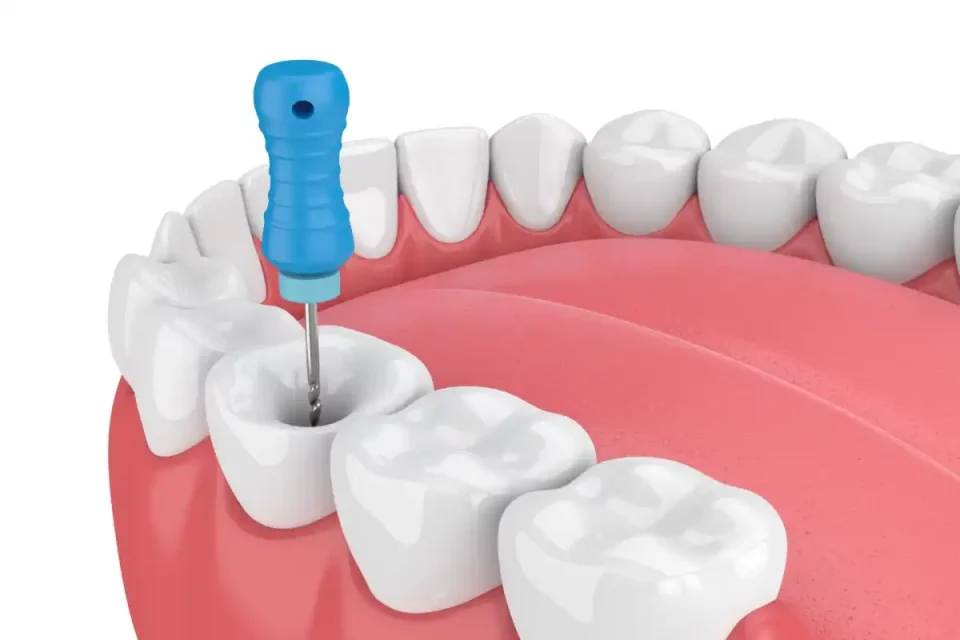
Endodontics is a branch of dentistry that focuses on diseases and injuries affecting the dental pulp, the soft tissue inside a tooth containing nerves and blood vessels. One of the most common endodontic procedures is root canal treatment, which helps save a tooth when its pulp becomes inflamed, infected, or damaged.
During the procedure, the dentist removes the affected pulp, cleans and disinfects the inside of the tooth, and seals the root canals with a suitable filling material. The goal is to preserve the natural tooth, restore its function, and prevent the infection from spreading.
Root canal treatment is usually performed under local anesthesia, so most patients experience little or no pain during the procedure. Some tenderness or discomfort may occur for a few days afterward, particularly when chewing.
Table of Contents
Why Is Endodontic Treatment Done?
Endodontic treatment may be recommended when deep tooth decay, a crack, a fracture, or dental trauma damages the pulp. If the pulp becomes irreversibly inflamed or infected, a root canal may help preserve the tooth instead of removing it.
Common reasons for root canal treatment include:
-
- Deep cavities that reach the dental pulp
- Cracked or fractured teeth
- Persistent toothache or sensitivity
- Pulp damage caused by an injury
- Infection or an abscess around the root of a tooth
Without appropriate treatment, a dental infection may worsen, damage surrounding tissues, and lead to tooth loss. In severe cases, the infection can spread into the face, neck, or other areas and become a medical emergency.
Maintaining good oral hygiene and attending regular dental checkups can help reduce the risk of tooth decay and other problems that may require endodontic treatment.
What Does Root Canal Treatment Involve?
Root canal treatment is designed to remove infected or damaged pulp, clean the root canals, and seal the inside of the tooth. The procedure generally involves the following steps.
1. Examination and Diagnosis
The dentist examines the affected tooth, reviews the symptoms, and may take dental X-rays to assess the roots and surrounding bone. This helps determine whether root canal treatment is appropriate.
2. Local Anesthesia
Local anesthesia is administered to numb the tooth and surrounding area. This helps keep the patient comfortable during treatment.
3. Accessing the Dental Pulp
The dentist creates a small opening in the crown of the tooth to reach the pulp chamber and root canals.
4. Cleaning and Disinfection
The damaged or infected pulp is removed. The root canals are carefully cleaned, shaped, and disinfected to reduce bacteria and prepare them for sealing.
5. Filling and Sealing the Canals
The cleaned canals are filled with a biocompatible material, commonly gutta-percha, and sealed with dental sealer to help prevent reinfection.
6. Restoring the Tooth
The access opening is closed with a dental filling. Depending on the tooth’s condition and location, a crown may also be recommended to protect it from cracking and restore its strength.
7. Follow-Up and X-Rays
The dentist may take X-rays during or after treatment to check the root canal filling and assess the outcome. Follow-up visits may be recommended to monitor healing.
Many root canal treatments can be completed in one appointment, while more complex cases may require two or more visits.
Preparing for Root Canal Treatment
Before undergoing root canal treatment, consult a qualified dentist or endodontist for a proper diagnosis. Tell the dental professional about your symptoms, medications, allergies, and relevant medical history.
Your dentist will explain the expected benefits, possible risks, and restoration options. Although root canal treatment has a high success rate, potential complications can include persistent infection, reinfection, damage to the tooth, or the need for additional treatment.
Early diagnosis and treatment can help improve the chances of preserving the natural tooth.
Care After Root Canal Treatment
Some tenderness, mild swelling, or discomfort when biting may occur after treatment. These symptoms generally improve over the following days, but persistent or worsening symptoms should be assessed by a dentist.
To support recovery:
- Follow your dentist’s instructions: Take prescribed or recommended medication only as directed.
- Avoid chewing hard foods on the treated tooth: Protect it until the permanent filling or crown has been placed.
- Maintain oral hygiene: Continue brushing gently and flossing regularly.
- Attend follow-up appointments: Your dentist may need to check healing and complete the final restoration.
- Watch for warning signs: Contact your dentist if you develop increasing pain, significant swelling, fever, or symptoms that do not improve.
Most patients can return to their usual activities the same day or the following day, depending on the complexity of treatment and how they feel.
Alternatives to Root Canal Treatment
The appropriate alternative depends on the condition of the tooth and whether it can be restored.
Tooth Extraction
If a tooth cannot be saved, the dentist may recommend removing it. Extraction eliminates the affected tooth, but the missing tooth may need to be replaced to support chewing function and maintain the alignment of neighboring teeth.
Dental Implants
A dental implant can replace a missing tooth by supporting a crown with an artificial root placed in the jawbone. However, implants require suitable bone and gum health, and treatment may involve several stages.
Learn more about the process and considerations in this guide to dental implants abroad with Helvetic Clinics.
If you are exploring implant treatment, you can also read about finding a trusted dentist in Jeddah for dental implants.
Dental Bridges
A dental bridge is another option for replacing a missing tooth. It uses neighboring teeth or other supporting structures to hold a replacement tooth in place. Whether a bridge or an implant is suitable depends on factors such as oral health, bone condition, cost, and personal preferences.
Read more about the differences in our guide to dental implants versus dental bridges.
Whenever possible, preserving a natural tooth is often preferred. Your dentist can explain whether root canal treatment, extraction, or tooth replacement is most appropriate for your situation.
How Can You Prevent Problems That Require Root Canal Treatment?
Good oral hygiene and regular dental care can reduce the risk of tooth decay and help identify dental problems before they become severe.
Helpful preventive measures include:
- Brush twice daily with fluoride toothpaste.
- Clean between your teeth every day using floss or another suitable interdental cleaner.
- Limit frequent consumption of sugary foods and drinks.
- Wear a mouthguard during contact sports when appropriate.
- Visit your dentist regularly for examinations and professional cleaning.
- Seek dental advice promptly if you experience persistent tooth pain or sensitivity.
Conclusion
Endodontics, particularly root canal treatment, can help preserve a natural tooth when the dental pulp is damaged or infected. The procedure involves removing the affected pulp, cleaning and sealing the root canals, and restoring the tooth to support normal function.
With proper diagnosis, treatment, and follow-up care, many treated teeth can remain functional for years. If you have persistent tooth pain, swelling, or sensitivity, consult a qualified dental professional to determine the cause and discuss suitable treatment options.